What happens if a damp crawl space is left untreated for several years?
A damp crawl space is not a problem that remains static over time. If left untreated, moisture gradually builds up and eventually affects various aspects of the home, including the structure, indoor air quality, energy consumption, and the property’s value.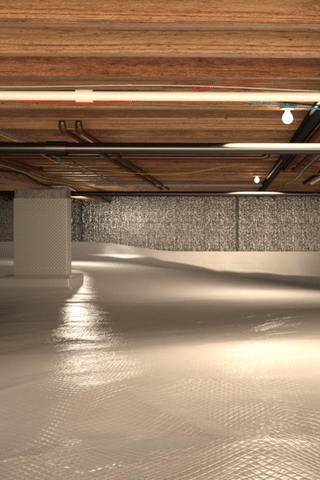
Here’s what actually happens when a damp crawl space is left untreated for several years.
- Structural Deterioration
Constant moisture creates an ideal environment for material degradation, especially wood and certain metal components.
Over time, the following may occur:
• weakening of beams and joists
• early signs of wood rot
• warping of floors
• corrosion of metal components
This type of deterioration progresses slowly but steadily, meaning that the damage can be significant before it becomes visible. - Mold growth
A damp crawlspace promotes mold growth, especially in poorly ventilated and dark areas.
Consequences may include:
• persistent odors in the home
• deterioration of indoor air quality
• respiratory discomfort for occupants
• spread of spores to other areas of the building
Once established, mold tends to return if the source of moisture is not addressed. - Impact on Indoor Air Quality
Air from the crawl space can rise into the house through various natural air movements. This can directly affect the indoor environment.
You may notice:
• more humid air in living areas
• earthy or musty odors
• a feeling of heavy or stagnant air
This phenomenon can affect overall comfort in the home without the source being immediately obvious. - Increased Energy Loss
A damp, uninsulated crawl space often contributes to significant heat loss.
This can lead to:
• cold floors, especially in winter
• higher heating costs
• cold air seeping into upper floors
Over time, this results in overall energy inefficiency in the home. - Pest Infestations
Damp environments easily attract various types of pests.
These may include:
• insects
• rodents
• other unwanted organisms
These pests can then spread to walls or living areas. - Decrease in Property Value
A problematic crawl space is a major concern during a home inspection.
Possible consequences include:
• reduced resale value
• lower offers during a sale
• repairs required before closing
• negative perception of the building’s overall condition - Progressive Worsening of the Problem
What starts as simple moisture can develop over time into more serious problems:
• recurring water infiltration
• more extensive structural damage
• high repair costs
• widespread deterioration of the area under the house
The longer the problem is ignored, the more complex the necessary repairs become.
A Long-Term Solution: Crawl Space Encapsulation
When moisture becomes a chronic problem, a comprehensive solution is often needed to stabilize the situation.
Encapsulation involves creating a complete moisture barrier by sealing off the crawl space from outside air. It generally helps to:
• reduce moisture in a sustainable way
• improve indoor air quality
• protect the structure from deterioration
• stabilize floor temperature
It can also be combined with other solutions such as a drainage system or mechanical humidity control.
Ignoring a damp crawl space for several years leads to a gradual accumulation of problems affecting the structure, indoor air quality, energy consumption, and the value of the home. These effects are often subtle at first but become increasingly costly over time.
A tailored solution from Systèmes Sous-Sol Québec addresses the root cause of the problem and provides long-term protection for your home.