The Connection Between Gutters and Basement Leaks: What Homeowners Need to Know
When homeowners discover water in their basement, they often assume the problem is a crack in the foundation or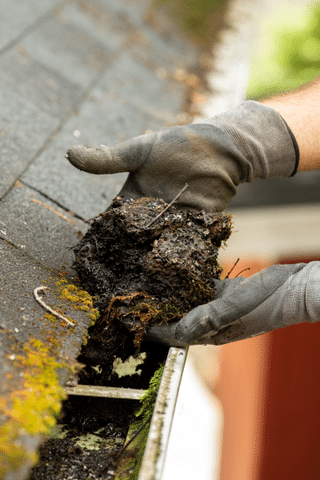 a failed sump pump. While those issues can certainly be responsible, many basement water problems actually begin much higher up on the home: at the gutters.
At Systèmes Sous-sol Québec, we've helped countless homeowners solve wet basement problems, and one of the most overlooked causes of water intrusion is improper roof drainage. Understanding the relationship between your gutters and your foundation can help you prevent costly repairs and keep your basement dry year-round.
How Gutters Protect Your Home
Your roof collects a significant amount of rainwater during every storm. Without a properly functioning gutter system, all that water would pour directly beside your home's foundation.
Gutters and downspouts are designed to collect rainwater from the roof and direct it safely away from the house. When they are functioning properly, they help prevent excessive water from accumulating around the foundation.
However, when gutters become clogged, damaged, or improperly installed, water can overflow and saturate the soil surrounding your home.
Why Water Around Your Foundation Is a Problem
The soil around your foundation naturally absorbs water. During heavy rainfall, that soil can become saturated, creating pressure against your foundation walls. This pressure is known as hydrostatic pressure.
As hydrostatic pressure builds, water can find its way into your basement through:
- Foundation cracks
- Wall-floor joints
- Porous concrete
- Utility penetrations
- Basement window wells
Over time, even a small amount of water repeatedly collecting around the foundation can lead to significant moisture problems.
Signs Your Gutters May Be Causing Basement Problems
Many homeowners don't realize their gutters are contributing to basement leaks until visible water intrusion occurs.
Watch for these warning signs:
- Water overflowing from gutters during rainstorms
- Sagging or damaged gutters
- Downspouts discharging water near the foundation
- Soil erosion around your home
- Pooling water near exterior walls
- Damp basement walls or floors
- Musty odors in the basement
- White chalky residue (efflorescence) on foundation walls
If you notice any of these issues, your gutter system may not be directing water away from your home effectively.
The Importance of Downspout Extensions
Even clean gutters can contribute to basement water problems if downspouts discharge too close to the house.
When water exits a downspout directly beside the foundation, it can quickly soak into the surrounding soil and increase hydrostatic pressure.
A simple downspout extension can help direct water several feet away from the foundation, significantly reducing the amount of water that accumulates around the home.
Experts generally recommend discharging water at least 6 to 10 feet away from the foundation whenever possible.
Seasonal Challenges in Québec
Québec homeowners face unique weather conditions that can put extra stress on their drainage systems.
Heavy Summer Rainstorms
Intense rainfall can overwhelm clogged gutters and undersized drainage systems, causing water to overflow near the foundation.
Spring Snowmelt
As snow and ice melt, large amounts of water are released into the soil around your home. Combined with spring rains, this can create ideal conditions for basement leaks.
Fall Leaf Build-Up
Leaves and debris can quickly clog gutters and downspouts, preventing water from flowing properly during autumn and winter storms.
Regular maintenance is essential to ensure your gutter system continues performing as intended throughout the year.
When Gutters Aren't Enough
While maintaining your gutters is an important step in protecting your basement, it isn't always enough.
Some homes experience water intrusion due to:
- High groundwater levels
- Foundation settlement
- Poor lot grading
- Existing foundation cracks
- Inadequate drainage systems
- Sump pump failure
In these situations, additional waterproofing measures may be necessary to provide long-term protection.
Solutions such as interior drainage systems, sump pump systems, foundation crack repair, and basement dehumidification can help address water problems that gutters alone cannot solve.
How to Protect Your Basement
To reduce the risk of basement leaks, homeowners should:
- Clean gutters regularly
- Inspect gutters for damage
- Ensure downspouts direct water away from the home
- Check for signs of foundation cracks
- Monitor for pooling water around the foundation
- Test sump pumps regularly
- Schedule a professional basement inspection if moisture issues appear
Taking these preventative steps can help you identify potential problems before they become costly repairs.
Don't Ignore the Warning Signs
A wet basement rarely develops overnight. More often, it results from years of water repeatedly collecting around the foundation.
If you've noticed water near your foundation, damp basement walls, musty odors, or signs of moisture intrusion, it's important to investigate the source of the problem before it worsens.
At Systèmes Sous-sol Québec, we help homeowners identify the causes of basement water problems and provide customized waterproofing solutions designed to keep basements dry in every season.
If you're concerned about water entering your basement, contact us today to schedule a free estimate and learn how you can protect your home from future leaks.